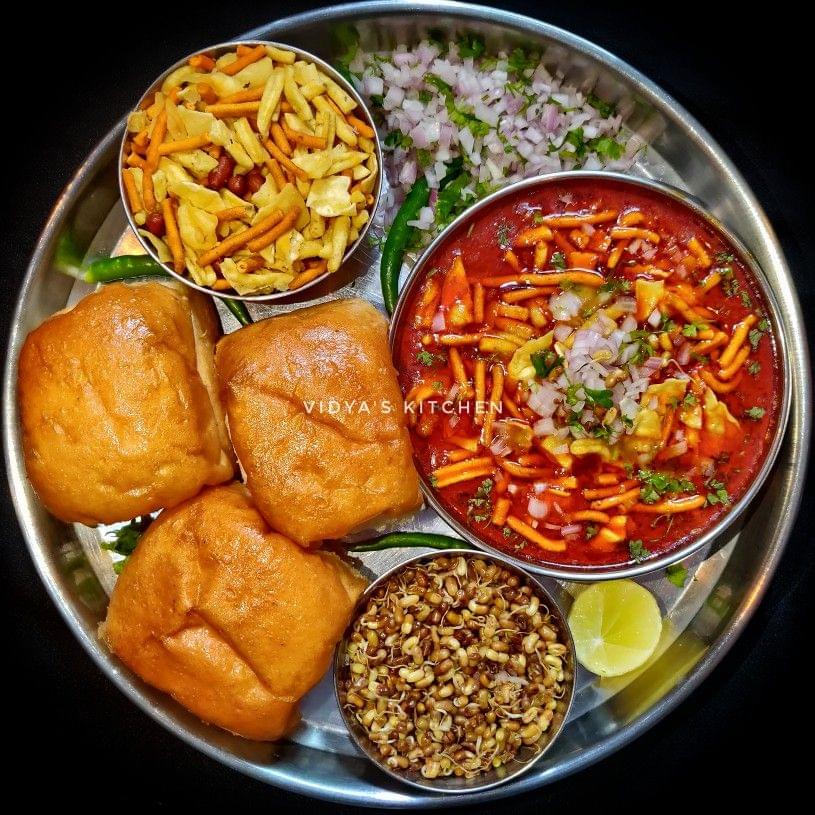
Introduction
Kanda Poha is one of the most loved breakfast dishes in India, especially in Maharashtra. Simple, light, and full of flavor, this dish is made using flattened rice (poha), onions (kanda), and basic spices. It is not only easy to cook but also very healthy and filling.
In today’s fast lifestyle, everyone looks for recipes that are quick yet nutritious. Kanda Poha fits perfectly into this category. It takes less than 20 minutes to prepare and requires very basic ingredients that are easily available in every Indian kitchen.
The beauty of Kanda Poha lies in its simplicity. With the perfect balance of soft poha, crunchy peanuts, and the freshness of lemon and coriander, this dish becomes a comfort food for many. Whether you are a beginner in cooking or an experienced home chef, Kanda Poha is a must-try recipe.
Story behind Kanda Poha
Kanda Poha has deep roots in Maharashtrian culture. The word “Kanda” means onion, and “Poha” refers to flattened rice. This dish has been prepared in households for generations and is considered a staple breakfast.
One interesting cultural aspect of Kanda Poha is its association with arranged marriage meetings, often called the “Poha Ceremony.” During these meetings, the girl’s family traditionally serves Kanda Poha to guests. Over time, this simple dish became a symbol of hospitality and warmth.
Kanda Poha is not just limited to Maharashtra. It is popular across India with slight variations. In Indore, it is served with sev and jalebi, while in Gujarat, a sweeter version is sometimes preferred.
Despite these variations, the authentic Maharashtrian Kanda Poha remains the most loved version due to its perfect balance of flavors—spicy, tangy, and slightly sweet.
Ingrdient
To prepare authentic Kanda Poha, you will need the following ingredients:
- 2 cups thick poha (flattened rice)
- 2 medium onions (finely chopped)
- 2 green chilies (chopped)
- 8–10 curry leaves
- 2 tablespoons peanuts
- 1 teaspoon mustard seeds
- ½ teaspoon turmeric powder
- Salt to taste
- 1 teaspoon sugar (optional but recommended)
- 1 tablespoon oil
- Fresh coriander leaves (chopped)
- 1 lemon
Ingredient Notes
- Always use thick poha for best results
- Fresh onions enhance the taste
- Lemon juice adds freshness and tanginess
- Peanuts give a crunchy texture
Step by Step Recipie
1: Preparing the Poha
Take the poha in a strainer and rinse it gently under running water. Do not soak it for too long, as it can become mushy. Let the excess water drain out. Add salt and sugar, mix gently, and keep aside.
2: Roasting the Peanuts
Heat oil in a pan and add peanuts. Roast them on medium flame until they become crispy. Remove and keep them aside.
3: Preparing the Tadka
In the same pan, add mustard seeds and let them crackle. Then add curry leaves and chopped green chilies. This step gives a strong aroma and enhances the flavor.
4: Cooking the Onions
Add finely chopped onions to the pan. Sauté them until they turn soft and slightly pink. Do not overcook them, as it may change the taste.
5: Adding Spices
Add turmeric powder and mix well. Turmeric gives poha its beautiful yellow color.
6: Adding Poha
Now add the prepared poha to the pan. Mix gently to avoid breaking the flakes.
7: Final Cooking
Add roasted peanuts and mix everything well. Cover the pan and cook on low flame for 2–3 minutes.
8: Garnishing
Turn off the flame. Add fresh lemon juice and garnish with coriander leaves.
Surving Suggetion
Kanda Poha is best served hot and fresh. Here are some serving ideas:
- Serve with a cup of hot tea or coffee
- Garnish with sev for extra crunch
- Add pomegranate seeds for a sweet twist
- Serve with coconut chutney for variation
This dish is perfect for breakfast, evening snacks, or even light dinner.
MiStake to Avoid
Avoid these common mistakes to make perfect Kanda Poha:
- Do not soak poha for too long
- Avoid overcooking after adding poha
- Do not skip roasting peanuts separately
- Avoid using thin poha
- Do not forget lemon juice at the end
Tips for Perfect Kanda Poha
- Mix gently to maintain texture
- Use fresh and good-quality poha
- Always cook on low flame after adding poha
- Adjust spice level as per your taste
- Add a pinch of sugar for authentic taste
Frequently ASked QuetionS
Q1. Why does my poha become sticky?
Because it is soaked too long or too much water is used.
Q2. Can I make poha without onion?
Yes, you can skip onions for a simple version.
Q3. Which poha is best?
Thick poha is always recommended.
Q4. Can I store poha?
It tastes best fresh, but you can store it for a few hours.
Q5. Is poha good for weight loss?
Yes, it is light and low in calories when made with less oil.