The medu vada recipe is truly one of the most satisfying and delicious snacks you can make at home. With simple ingredients, 8 easy steps, and a few proven tips, you can make perfectly crispy, golden, and soft vadas that taste just like the ones at your favourite South Indian restaurant or tiffin centre.
Whether you are making it for a weekend breakfast with the family, a festival celebration, or simply because you are craving something crispy and delicious, this medu vada recipe will never let you down. Now that you have the complete guide — from the authentic recipe and the secret batter tip to all the mistakes to avoid and exciting variations — it is time to soak that urad dal and get cooking!

1. Introduction — What Is Medu Vada?
Medu vada recipe is one of the most iconic, crispy, and delicious South Indian snacks you can ever make at home — and today I am going to show you the complete, proven guide to making it perfectly every single time. If you love a snack that is crispy and golden on the outside, soft and fluffy on the inside, and full of flavour from top to bottom, then this medu vada recipe is exactly what you have been looking for.
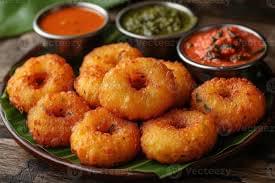
Medu vada is a small, round, doughnut-shaped fritter made from urad dal (black lentil) batter. In Kannada, the word “medu” means soft — and that is exactly what makes this crispy medu vada so special. The outside is beautifully golden and crunchy, while the inside stays wonderfully soft and light. It is one of those snacks that you just cannot stop eating once you start.
This medu vada recipe is a favourite breakfast and snack all across South India — from Tamil Nadu and Karnataka to Kerala and Andhra Pradesh. According to Healthline’s complete guide on lentil nutrition , urad dal is an excellent source of plant protein, fibre, iron, and magnesium — making this South Indian vada recipe not just delicious but also genuinely good for your health. Also explore our easy South Indian breakfast recipes collection for more ideas your family will love.
2. The Story Behind Medu Vada
Medu vada has a rich and beautiful history that goes back hundreds of years. This snack comes from the South Indian state of Karnataka, where it has been made in homes and temples for generations. In fact, medu vada is so important in South Indian culture that it is offered to God in temples as prasad during festivals and special occasions.
The earliest written records of vada in Indian cooking go back to ancient Tamil Sangam literature, where lentil-based fried snacks were described as part of royal feasts and celebrations. Over the centuries, this humble lentil fritter travelled across all of South India and became a beloved everyday food for millions of people.
Today, the authentic medu vada is eaten for breakfast, as a teatime snack, and as a starter at weddings and parties. It is served in every South Indian restaurant and tiffin centre across India and in Indian restaurants all over the world. As highlighted in Britannica’s overview of Indian cuisineDoFollow, South Indian food is celebrated globally for its bold use of lentils, rice, and fresh spices — and this medu vada recipe is one of the finest examples of that tradition.
3. Ingredients for the Perfect Medu Vada Recipe
Here are all the ingredients you need to make this medu vada recipe for 3–4 people. All these ingredients are simple and easy to find in any Indian kitchen.
For complete urad dal nutrition data, check the USDA FoodData urad dal nutrition database — it confirms why urad dal makes this vada recipe at home such a healthy and protein-rich snack choice.
For the vada batter
- Urad dal (black lentil)
- Green chillies, finely chopped
- Ginger, grated
- Curry leaves, chopped
- Whole black pepper
- Cumin seeds
- Salt
- Water
4. Step-by-Step Medu Vada Recipe
Follow these 8 easy steps and your medu vada recipe will come out perfectly crispy, golden, and delicious every single time. Each step is written in simple, easy words so even a first-time cook can follow without any problem at all.
1. Soak the urad dal: Wash 1 cup of urad dal 2–3 times until the water runs clear. Soak it in enough water for 4–5 hours — or overnight if you want to make this medu vada recipe in the morning. Properly soaked dal grinds easily and makes a light, fluffy batter that fries perfectly.
2. Grind the batter: Drain the soaked urad dal completely. Transfer to a grinder or mixer jar. Grind it into a smooth, thick, fluffy batter. Add water only a few teaspoons at a time — the batter must be very thick and not pourable. If you add too much water, your crispy medu vada will absorb oil and become soggy. Grind until the batter is white, airy, and creamy.
3. Check the batter consistency: Drop a small amount of batter into a bowl of water. If it floats on top, the batter is perfectly ground and airy — your medu vada will be soft inside and crispy outside. If it sinks, grind for a few more minutes until it becomes lighter.
4. Add spices and mix well: Transfer the batter to a large bowl. Add green chillies, grated ginger, curry leaves, whole black pepper, cumin seeds, and salt. Mix everything together very well using your hand or a spoon. Mix for 2–3 minutes in a circular motion — this adds air into the batter and makes your urad dal vada even lighter and fluffier when fried.
5. Heat the oil: Pour enough oil into a deep kadhai or pan for deep frying. Heat on medium-high flame until the oil is hot enough — around 170–180°C. To test, drop a tiny bit of batter into the oil. If it rises to the surface immediately and sizzles, the oil is ready. If it sinks, the oil is still too cold for this medu vada recipe.
6. Shape the vada: Wet your hands with water. Take a small ball of batter in your palm. Flatten it gently into a round disc shape. Make a hole in the centre using your thumb or index finger — just like a small doughnut. This hole is the signature shape of authentic medu vada and it also helps the vada cook evenly from the inside. Slide it carefully into the hot oil.
7. Fry until golden: Fry the vadas on medium flame for 3–4 minutes, turning them gently once or twice, until they are evenly golden brown and crispy on all sides. Do not fry on high heat — high heat browns the outside too fast while leaving the inside uncooked. Fry 3–4 vadas at a time so the oil temperature stays even throughout your medu vada recipe.
8. Drain and serve hot: Remove the fried vadas using a slotted spoon and place on a plate lined with kitchen paper to absorb any extra oil. Serve immediately while hot and crispy. Your ultimate medu vada recipe is ready! Serve with hot sambar and fresh coconut chutney for the most authentic South Indian experience.
5. Serving Suggestions
Hot and crispy medu vada tastes absolutely incredible when paired with the right accompaniments. Here are the best and most delicious ways to serve it:
- Sambar : Hot, tangy sambar is the most classic partner for medu vada. Dip it fully for the best experience.
- Coconut Chutney : Creamy, fresh coconut chutney is the perfect cooling companion for hot crispy vada.
- Tomato Chutney : Spicy tomato chutney adds a bold tangy kick that goes beautifully with the soft vada inside.
- Sambar Vada : Soak the vada in hot sambar for 5 minutes — this makes the famous restaurant-style sambar vada.
- Curd Vada : Soak in sweet, spiced curd for a few hours to make the beloved dahi vada — a party favourite.
6. Mistakes to Avoid When Making Medu Vada
These are the most common mistakes people make with this medu vada recipe. Avoid these and your vadas will be perfect every single time:
- Adding too much water to the batter: This is the biggest mistake. A watery batter will make your medu vada absorb a lot of oil and become heavy, oily, and flat. Always keep the batter very thick. Use water only a teaspoon at a time while grinding.
- Not soaking the dal long enough: Dal that is soaked for less than 4 hours does not grind smoothly and makes a heavy, grainy batter. Always soak for a minimum of 4–5 hours for the best results in your urad dal vada.
- Frying in cold oil: Cold oil makes the vada absorb too much oil and prevents it from getting crispy. Always heat the oil fully and test with a small drop of batter before frying your crispy medu vada.
- Frying on very high flame: High heat burns the outside of the vada before the inside is cooked through. Always fry on medium flame and turn gently for an evenly golden, perfectly cooked medu vada recipe.
- Skipping the float test: Never skip checking if your batter floats in water. This simple test tells you if the batter has enough air — and enough air means soft, fluffy inside and crispy outside every time.
- Wet hands while shaping: Dry hands make the batter stick and tear. Always keep your hands wet with water while shaping the vadas — this also makes it much easier to make the hole in the centre cleanly.
7. Delicious Variations of Medu Vada Recipe
Once you have made the classic medu vada recipe, try these exciting and equally delicious variations that are very easy to make at home:
- Sambar vada: Soak freshly fried vadas in piping hot sambar for 5–10 minutes until they absorb the flavour fully. This is the most beloved version of medu vada sambar served in every South Indian restaurant.
- Dahi vada (curd vada): Soak vadas in water, then place in thick beaten curd. Top with tamarind chutney, green chutney, chaat masala, and sev for a refreshing, tangy, crowd-pleasing chaat version of this medu vada recipe.
- Onion medu vada: Add 2–3 tbsp of very finely chopped onions to the batter before frying. The onion pieces make the outside extra crispy and add a wonderful sweet flavour to every bite of your South Indian vada recipe.
- Masala vada: Add a pinch of garam masala, some chopped mint, and a tiny bit of asafoetida to the batter for a spicier, more aromatic version that is especially popular during festivals and celebrations.
- Mini vada for kids: Make smaller, bite-sized vadas without the hole — kids love these tiny versions with ketchup. They are also great as party starters or in school lunchboxes. Try our easy kids snack recipes hereInternal for more fun ideas.
- Baked medu vada: For a healthier version, place the shaped vadas on a greased baking tray and bake at 180°C for 20–25 minutes, turning once halfway. They will not be as crispy as the fried version but are much lower in calories.
8. Frequently Asked Questions
Q1. Why is my medu vada absorbing too much oil?
This happens when the batter is too thin and watery, or when the oil is not hot enough before frying. Always keep the batter very thick and test the oil temperature with a small drop of batter before you start frying your medu vada recipe.
Q2. Why is my medu vada not fluffy inside?
The batter was not ground long enough or not aerated well. Always grind until the batter is white and creamy, and mix it well in a circular motion before frying. The float test is the best way to check if your batter is airy enough for a soft crispy medu vada.
Q3. Can I make medu vada batter the night before?
Yes! You can grind the batter, add the spices, and keep it covered in the fridge overnight. Take it out 30 minutes before frying to bring it to room temperature. This is a great time-saving trick for making this medu vada recipe for morning breakfast.
Q4. What oil is best for frying medu vada?
Refined sunflower oil or groundnut oil works best for deep frying South Indian vada recipe. These oils have a high smoke point and a neutral taste that does not overpower the natural flavour of the urad dal batter.
Q5. Can I make medu vada without a wet grinder?
Yes! A regular mixer or blender works fine. Grind the soaked dal in short bursts, scraping the sides in between, and add as little water as possible. The result may not be exactly as smooth as a wet grinder but will still make very good and tasty medu vada.
Q6. How many medu vadas does this recipe make?
This medu vada recipe with 1 cup of urad dal makes around 12–15 medium-sized vadas — enough for 3–4 people as a breakfast or snack. Double the ingredients if you are making it for a larger group or party.