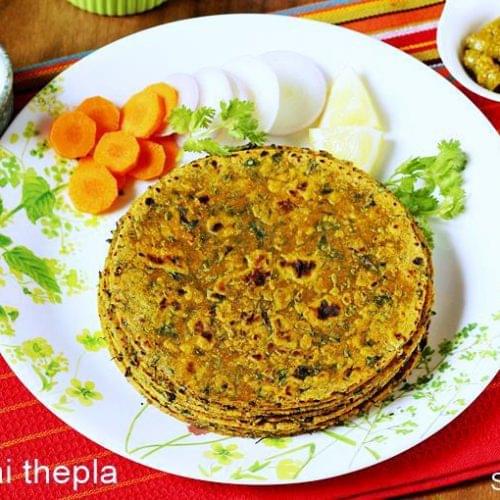
The palak paratha recipe is truly the ultimate healthy Indian flatbread — soft, green, nutritious, and incredibly delicious. With just a handful of everyday ingredients and 3 simple steps, you can make a paratha that is not only good for your family but one that everyone will genuinely love eating.
Now that you have the complete, proven guide — from the authentic recipe and step-by-step method to mistakes to avoid and exciting new variations — it is time to head to your kitchen and make your own perfect batch of palak paratha.

Introduction — What Is Palak Paratha?
Palak paratha recipe is one of the most loved, healthy, and delicious Indian flatbreads you can make at home — and today I am sharing the ultimate, proven guide to making it perfectly soft and green every single time. If you have been searching for an easy way to add more nutrition to your daily meals, this palak paratha recipe is the best answer you will find.
Also known as spinach paratha, this beautiful green flatbread is made by kneading fresh spinach puree directly into whole wheat dough and cooking it on a hot tawa with a touch of ghee or butter. The result is a soft, flavourful paratha that is packed with iron, vitamins, and goodness. According to Healthline’s complete nutrition guide on spinach ,spinach is one of the most nutrient-dense foods on the planet — rich in iron, calcium, vitamin K, and powerful antioxidants — making every bite of this palak paratha genuinely nourishing.
Whether you are packing a school tiffin for your kids, planning a wholesome breakfast, or looking for a healthy dinner option, this palak paratha recipe fits every occasion perfectly. In this complete guide, you will find everything — the story behind it, full ingredients list, step-by-step cooking method, serving ideas, mistakes to avoid, and exciting variations to try.
The Delicious Story Behind Palak Paratha
The palak paratha has its roots deep in North Indian home cooking, particularly in Punjab, Haryana, and Uttar Pradesh — regions where wheat is grown abundantly and parathas are a daily staple. For generations, clever Indian mothers found a brilliant way to get their children to eat spinach — by hiding it inside warm, buttery flatbread. And it worked beautifully.
The tradition of making green parathas with seasonal leafy vegetables is centuries old in India. Palak, being one of the most widely available and affordable greens across the country, became the most popular choice. Over time, the spinach paratha recipe travelled from village kitchens to city homes and eventually to restaurant menus, where it is now served with pride as a healthy alternative to regular parathas.
As noted in Britannica’s guide to Indian cuisineDoFollow, Indian flatbreads like paratha represent the heart of everyday home cooking across the subcontinent — simple, versatile, and deeply satisfying. The palak paratha recipe is a proud part of this rich, living tradition.
3. Ingredients for the Perfect Palak Paratha Recipe
Here are all the ingredients you need to make this palak paratha recipe for 3–4 people. Use fresh, young spinach leaves for the brightest green colour and best flavour.
- Whole wheat flour (atta)
- Fresh palak (spinach)
- Green chilli
- Ginger, grated
- Garlic cloves
- Cumin seeds (jeera)
- Carom seeds (ajwain)
- Turmeric powder
- Red chilli powder
- Garam masala
- Salt
- Oil or ghee
- Lemon juice
- Water
Step-by-Step Palak Paratha Recipe
Follow these proven steps and your palak paratha recipe will come out perfectly soft, green, and delicious every single time — no cracks, no pale colour, no hard texture.
1. Blanch the spinach: Bring a pot of water to a boil. Add the washed palak leaves and blanch for exactly 1 minute. Immediately transfer to ice-cold water to stop cooking and preserve the vibrant green colour. This is the secret step that keeps your spinach paratha brilliantly green even after cooking on the tawa.
2. Make the palak puree: Drain the blanched spinach thoroughly and transfer to a blender. Add green chilli, ginger, and garlic. Blend into a smooth, thick puree without adding any water. The puree should be thick — this is what you will use to knead your dough.
3. Knead the dough: In a large bowl, combine whole wheat flour, cumin seeds, ajwain, turmeric, red chilli powder, garam masala, salt, and 2 tsp oil. Add the palak puree and mix well. Knead into a smooth, soft dough. Add a little water only if needed. The dough for a perfect palak paratha recipe should be soft but not sticky. Cover and rest for 15 minutes.
4. Roll the parathas: Divide the dough into equal portions (about 8–10 lemon-sized balls). Lightly flour your rolling surface. Roll each ball into a round paratha of about 7–8 inches diameter, keeping the thickness even throughout. Thin parathas cook more evenly and stay softer.
5. Cook on the tawa: Heat a tawa or flat pan on medium-high flame until hot. Place the rolled palak paratha on the tawa. Cook for 1–2 minutes until small bubbles appear on the surface. Flip and cook the other side for another minute.
6. 6Apply ghee and serve: Apply generous ghee or butter on both sides and cook for 30 more seconds until light golden spots appear. Remove and serve immediately. Your ultimate palak paratha recipe is ready! Repeat for remaining dough balls.
Serving Suggestions
This palak paratha recipe is wonderfully versatile and pairs beautifully with a wide variety of accompaniments. Here are the most delicious ways to serve it:
- Dahi (Curd) : Cool, creamy yogurt is the most classic and perfect pairing for hot palak paratha.
- Achar (Pickle) : A spoonful of tangy mango or mixed pickle adds a bold flavour punch.
- White Butter : Fresh homemade makhan on a hot paratha is pure, irresistible comfort food.
- Paneer Bhurji : Spiced scrambled paneer alongside makes this a complete, protein-rich meal.
- Dal Tadka : Pair with yellow dal tadka for a wholesome, satisfying lunch or dinner plate.
- Raita : Cucumber or boondi raita cools down the spice and completes the meal beautifully.
. Mistakes to Avoid When Making Palak Paratha
These are the most common mistakes people make with this palak paratha recipe — avoid them and yours will be perfect every time:
- ✕Not blanching the spinach: Raw spinach adds too much moisture to the dough and turns the paratha an ugly dark green. Always blanch and then use cold water to preserve that beautiful bright green colour.
- ✕Watery puree: Adding water while blending makes the dough sticky and impossible to roll. Blend the palak without any water — it has enough natural moisture to knead a perfect dough for your spinach paratha recipe.
- ✕Skipping the resting time: Many people skip the 15-minute rest for the dough. This is a mistake — rested dough is always more pliable, rolls out evenly, and produces a much softer palak paratha.
- ✕Rolling unevenly: A paratha that is thick in the centre and thin at the edges will cook unevenly — burnt edges, raw middle. Apply even pressure while rolling.
- ✕Cooking on low flame: A cold tawa makes the paratha absorb too much oil and turns it heavy. Always cook on a medium-high, properly heated tawa for the best results.
- ✕Skipping ghee: Ghee is what gives palak paratha recipe its signature flavour and soft texture. Even if you are health-conscious, a small amount of ghee makes a huge difference in taste and softness.
7. Delicious Variations of Palak Paratha Recipe
Once you have mastered the basic palak paratha recipe, try these exciting variations that take this classic to a whole new level:
- Palak Paneer Paratha: Add crumbled, spiced paneer inside a stuffed version of this palak paratha for a rich, protein-packed meal that kids and adults both love.
- Palak Methi Paratha: Combine spinach with fresh fenugreek (methi) leaves in the puree for a slightly bitter, deeply flavourful paratha that is extremely popular in Gujarat and Rajasthan.
- Palak Corn Paratha: Add sweet corn kernels to the dough along with the palak puree for a mildly sweet, colourful paratha that children absolutely love in their school tiffin box.
- Palak Cheese Paratha: Place a slice of cheese inside the paratha before folding and rolling — when it melts, you get a wonderfully gooey, indulgent version of this spinach paratha recipe.
- Multigrain Palak Paratha: Replace some of the wheat flour with jowar, bajra, or ragi flour for a high-fibre, gluten-conscious version. Try our multigrain paratha recipe hereInternal for the complete guide.
- No-Spice Palak Paratha for Babies: Skip all the chilli and spices and make a plain, mild version with just palak puree, atta, salt, and ghee — perfect for toddlers and young children from 10 months onwards.