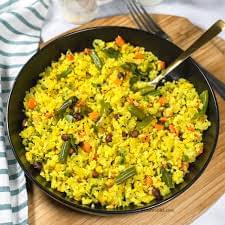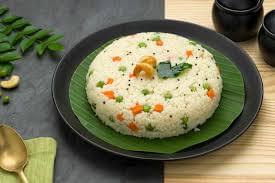
Rava upma recipe is one of the easiest, most satisfying South Indian breakfasts you can make at home — and today, I am sharing the complete, foolproof method to get it right every single time. According to Healthline’s semolina nutrition guide, semolina is rich in protein, iron, and B vitamins — making this rava upma recipe a genuinely healthy breakfast choice.
Made with dry-roasted semolina (rava or suji), a fragrant tempering of mustard seeds, curry leaves, and green chillies, and finished with a bright squeeze of lemon — rava upma is ready in under 20 minutes and requires just a handful of pantry staples. It is light yet filling, naturally vegan, and endlessly customizable.

Introduction — What Is Rava Upma?
If you’ve ever walked into a South Indian kitchen on a weekday morning, the chances are high that the warm, nutty aroma of rava upma was greeting you from the stove. Rava upma — also called suji upma or simply upma — is one of India’s most beloved breakfast dishes. It is made from dry-roasted semolina (rava or suji) cooked with a fragrant tempering of mustard seeds, curry leaves, green chillies, and vegetables.
What makes rava upma so special? It’s quick — ready in under 20 minutes. It’s filling, light, and incredibly versatile. Whether you’re cooking for one or a family of six, rava upma fits every occasion. It is also a great way to load your breakfast with vegetables without compromising on taste. From the busy streets of Chennai to home kitchens in Mumbai, this dish holds a permanent place on the Indian breakfast table.
In this complete guide, you’ll find the authentic rava upma recipe, the history behind it, smart tips, common mistakes to avoid, and fun variations to try at home.
The Story Behind Rava Upma
Rava upma has roots in South Indian cuisine, particularly from the states of Tamil Nadu, Karnataka, Andhra Pradesh, and Kerala. The word “upma” is believed to derive from the Tamil words uppu (salt) and maavu (flour or coarse grain), essentially meaning “salted flour.” Ancient references to upma can be found in Tamil literature, suggesting it has been a part of Indian food culture for centuries.
Originally, upma was a humble dish — made with minimal ingredients available in rural kitchens. Over time, as semolina (rava or suji) became widely accessible, it replaced coarser flours and became the base we know today. Different regions adapted the recipe with their own local spices and vegetables, giving rise to the countless variations we enjoy today.
Today, rava upma is not just a South Indian staple — it is eaten across the country and even served in Indian homes worldwide. It has found its way into hotel breakfast menus, tiffin centers, and food courts because of its simplicity and universal appeal.
Ingredients for Rava Upma
Here are all the ingredients you need to make rava upma for 2–3 servings. Use fresh vegetables for the best flavor and always roast your rava before cooking.
- Rava (semolina / suji)
- Water
- Onion (finely chopped)
- Green chillies
- Ginger
- Mustard seeds
- Chana dal (split chickpea)
- Urad dal
- Curry leaves
- Carrot (finely chopped)
- Green peas (frozen/fresh)
- Cashews (optional)
- Oil or ghee
- Salt
- Lemon juice
- Fresh coriander
Step-by-Step Rava Upma Recipe
Follow these simple steps carefully and you’ll have a perfectly cooked, lump-free rava upma every single time.
1. Dry roast the rava: Heat a pan on medium flame. Add 1 cup of rava and dry roast it for 4–5 minutes, stirring continuously, until it turns light golden and smells nutty. Remove from the pan and set aside. This step is essential — roasted rava prevents lumps and gives a better texture.
2. Prepare the tempering: In the same pan, heat 2 tbsp of oil or ghee. Add mustard seeds and let them splutter. Then add chana dal and urad dal. Fry for about 30 seconds until they turn golden brown.
3. Sauté aromatics: Add curry leaves, green chillies, and grated ginger. Sauté for 30 seconds. Then add cashews (if using) and fry until they turn light golden.
4. Cook the onions and vegetables: Add finely chopped onions and cook until they turn soft and translucent (about 3–4 minutes). Then add carrots and peas. Cook for another 2 minutes on medium heat.
5. Add water and salt: Pour in 2.5 cups of hot water and add salt to taste. Bring the water to a rolling boil. Using hot water makes the upma cook faster and smoother.
6. Add the roasted rava: Reduce the heat to low. Slowly add the roasted rava into the boiling water while stirring continuously with the other hand. This ensures no lumps form. Keep stirring as the rava absorbs the water.
7.Cook and rest: Cover the pan with a lid and cook on low flame for 2–3 minutes until all the water is absorbed. Turn off the heat. Add a squeeze of lemon juice and gently mix. Let it rest for 1 minute before serving.
8. Garnish and serve: Fluff the upma gently with a fork or spoon. Garnish with fresh coriander leaves and a few curry leaves on top. Serve immediately while hot.
Serving Suggestions
Rava upma is incredibly versatile and tastes wonderful with a variety of accompaniments. Here are some of the best ways to serve it:
- Coconut Chutney : The classic South Indian pairing. Creamy and cooling against the spiced upma.
- Lemon & Pickle : A squeeze of lemon and a spoon of mango pickle adds a tangy punch.
- Sambar : Pour a ladle of hot sambar over the upma for a deeply flavorful meal.
- Plain Yogurt / Curd : Cool, fresh curd balances the spice and makes a complete meal.
Mistakes to Avoid When Making Rava Upma
Even experienced cooks can run into trouble with upma. Here are the most common mistakes and how to avoid them:
- Not roasting the rava: Skipping this step is the #1 reason for lumpy upma. Always dry roast the rava until fragrant before cooking. Roasted rava absorbs water evenly and separates beautifully.
- Using cold water: Cold water makes the rava clump together. Always use hot or boiling water when adding rava to ensure smooth, fluffy texture.
- Adding rava all at once: Dumping rava into the water at one time almost always leads to lumps. Add the rava slowly in a thin stream while stirring continuously with the other hand.
- Wrong water ratio: Too much water makes upma mushy; too little makes it dry. The ideal ratio is 1 cup rava to 2.5 cups water. Stick to it and adjust slightly based on your rava’s coarseness.
- Cooking on high heat: High heat scorches the bottom before the inside is cooked. Always lower the heat after adding rava and cook on a gentle flame with the lid on.
- Skipping lemon juice: Lemon juice is not optional! It brightens all the flavors and prevents the upma from tasting flat. Add it after turning off the heat to preserve freshness.
7. Delicious Variations of Rava Upma
Once you master the basic rava upma recipe, the real fun begins. Try these popular variations to keep your breakfast exciting:
- Vegetable Upma: Load it up with beans, corn, capsicum, and beetroot for a colorful, nutritious version that kids love.
- Masala Upma: Add half a teaspoon of sambar powder or rasam powder to the tempering for a deeper, more complex spiced flavor.
- Tomato Upma: Sauté two ripe tomatoes with the onions before adding water. The tomatoes give a beautiful tangy flavor and a subtle pink color.
- Ghee Upma: Replace oil with pure desi ghee and add a handful of raisins alongside cashews for a rich, festival-style upma.
- Upma with Coconut: Add freshly grated coconut at the end of cooking for a moist, slightly sweet coastal-style upma popular in Kerala and Tamil Nadu.
- Bread Upma: A clever leftover hack — replace rava with cubed bread pieces and follow the same tempering. It’s equally delicious and uses up old bread.
- Oats Upma: Swap rava for rolled oats to make a high-fiber, heart-healthy version that is perfect for those watching their diet.